
How Routine Pest Control Helps Prevent Major Infestations
Routine pest control helps prevent major infestations by keeping pests under control before they become serious, with local service providers equipped to handle the job effectively.
Understanding how routine pest control helps prevent major infestations is essential for property owners looking to protect their homes and businesses. Regular pest management services from local contractors can address common entry points and eliminate early signs of pest activity before they develop into larger problems. By maintaining a proactive approach, property owners can reduce the risk of pests establishing themselves, which often leads to costly and disruptive infestations down the line.
For those living or working in the area, exploring this topic offers practical benefits, such as minimizing property damage and avoiding health concerns associated with pests. Local service providers specialize in tailored pest control plans that focus on prevention through consistent treatments and inspections. Continuing to learn about how routine pest control contributes to long-term pest management can help property owners make informed decisions and connect with trusted professionals who can keep their spaces pest-free.
- General pest prevention - homeowners seeking to keep pests at bay can rely on local contractors to implement routine pest control that targets common invaders before they become a major problem.
- Kitchen and pantry pest control - when signs of food-related pests appear, local pros can provide ongoing treatments to prevent infestations that threaten food storage areas.
- Seasonal pest management - as pests become active during certain times of the year, local service providers can establish preventive measures to minimize the risk of large-scale infestations.
- Structural pest protection - for homes with existing pest issues, routine pest control helps reinforce barriers and reduce the likelihood of future invasions.
- Preventive pest treatments for properties - property owners aiming to avoid costly infestations can work with local contractors to develop tailored pest prevention plans.
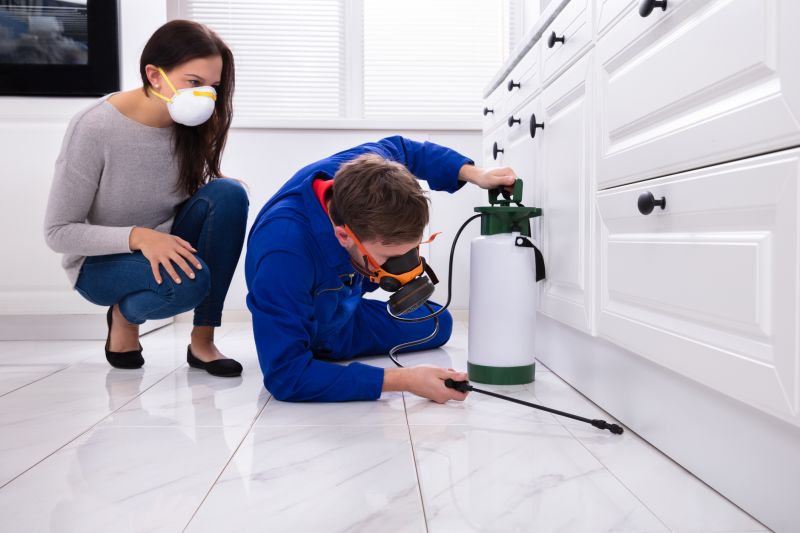
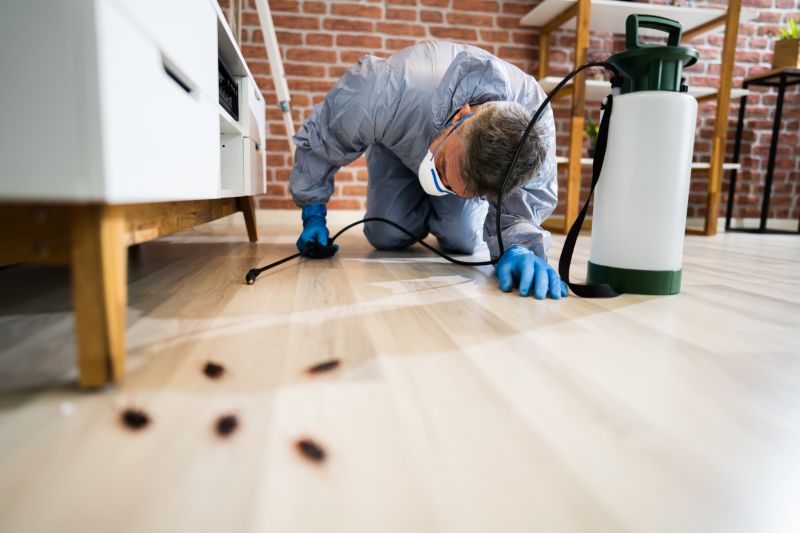
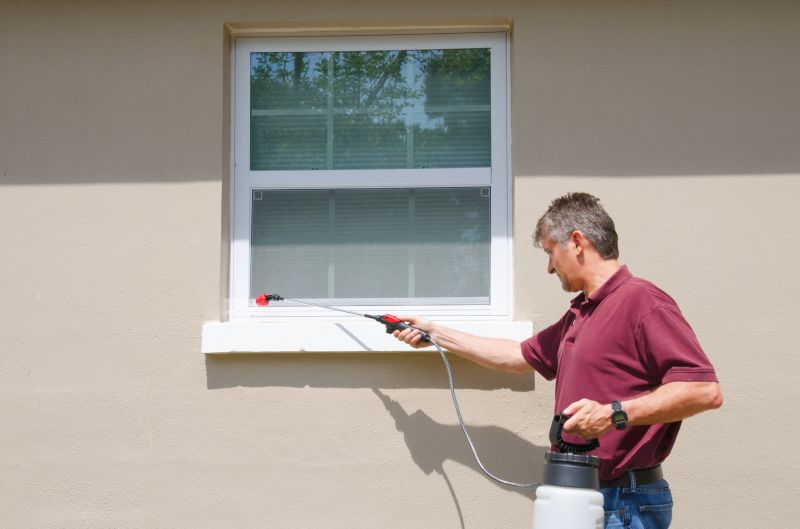
When people search for how routine pest control helps prevent major infestations, they are often looking for ways to protect their homes from the disruption and damage caused by pests such as termites, ants, rodents, or roaches. These searches typically stem from concerns about early signs of pest activity or a desire to avoid costly repairs and health issues associated with large-scale invasions. Homeowners may be interested in understanding how regular treatments can keep pests at bay before they establish strong colonies, making the process of prevention more manageable and less invasive. This approach emphasizes proactive measures rather than waiting until pests become a visible problem, highlighting the importance of consistent pest management routines.
Routine pest control services are closely related to plans aimed at preventing infestations from developing into major problems. These plans often involve scheduled treatments that target common entry points and hiding spots, reducing the likelihood of pests gaining a foothold. For homeowners, implementing a regular pest control routine can be part of a broader property management plan that includes sealing cracks, removing food sources, and maintaining clean surroundings. When local service providers carry out these routine treatments, they help interrupt pest life cycles early, preventing colonies from growing large enough to cause structural damage or health hazards. This preventive approach is especially relevant for properties that are more vulnerable, such as those near wooded areas or with older construction.
The types of properties that frequently come up in discussions about routine pest control include single-family homes, apartment complexes, and small commercial buildings. Residential properties are often the primary focus because they are where people live and want to maintain a safe, pest-free environment. Multi-unit dwellings, like apartment buildings, require coordinated pest management to prevent infestations from spreading between units. Commercial properties such as restaurants, offices, or retail stores also benefit from routine pest control to uphold hygiene standards and avoid business disruptions. Regardless of property type, regular treatments performed by local contractors are essential for creating a barrier that deters pests from establishing themselves and turning minor issues into major infestations.
Understanding how routine pest control fits into property management helps homeowners see its practical value. Regular treatments performed by local service providers are designed to target pests early, reducing the chances of a full-blown invasion that could require extensive repairs or treatments later. These professionals assess each property’s unique needs, applying targeted solutions that address common pest entry points and nesting areas. By establishing a consistent pest control routine, homeowners can better protect their investments and maintain a healthier living environment. Connecting with local contractors ensures that the pest management approach is tailored to the specific property and local pest pressures, making prevention a practical and effective part of property care.
Termite Inspection and Treatment - professionals perform regular inspections and treatments to identify early signs of termite activity, helping prevent larger infestations that can cause structural damage.
Rodent Control Projects - local contractors implement trapping and sealing techniques to manage rodent populations, reducing the risk of infestation escalation.
Spider and Insect Barrier Services - service providers establish barriers that prevent insects from entering homes, supporting the prevention of widespread pest issues.
Wildlife Removal Services - experts handle the removal and exclusion of wildlife such as raccoons or squirrels, which can introduce pests and lead to infestations.
Mosquito Control Programs - professionals treat breeding sites and create barriers to reduce mosquito populations, helping to prevent potential pest outbreaks.
Warehouse and Commercial Pest Control - local contractors apply targeted strategies to keep pests from establishing large populations in storage or business facilities.
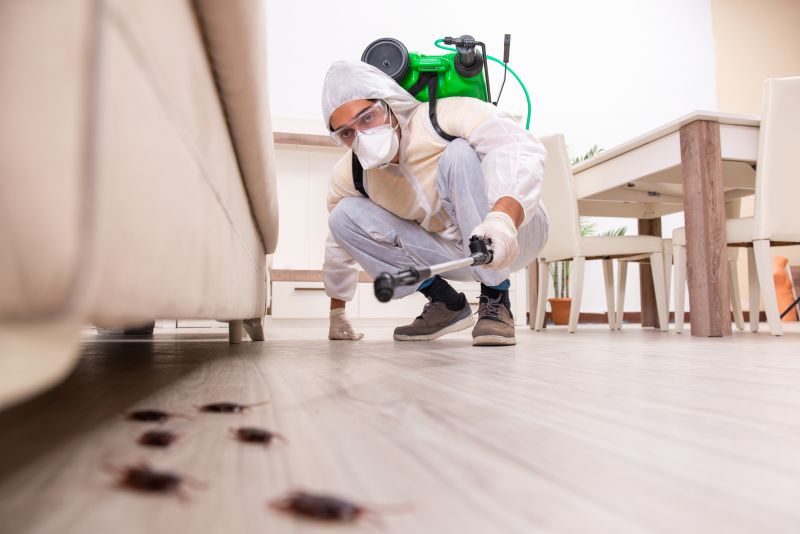
When comparing local contractors for routine pest control services, it is important to consider their experience with similar projects. Homeowners should look for service providers who have a track record of effectively managing pest prevention in residential settings comparable to their own. An experienced contractor will understand common pest issues in the area and be familiar with the most effective strategies to prevent major infestations through regular treatments. This familiarity can help ensure that the chosen professional can deliver consistent, reliable service that addresses the specific needs of the property.
Clear, written expectations are another key factor when evaluating local service providers. Homeowners should seek out contractors who provide detailed descriptions of their pest control plans, including the scope of work, frequency of treatments, and what the homeowner can expect during each visit. Having these expectations documented helps prevent misunderstandings and ensures that both parties are aligned on the goals of routine pest control. Transparent communication about procedures and outcomes can contribute to a smoother service experience and better long-term results in pest prevention.
Reputable references and strong communication practices are essential qualities to consider when selecting local contractors. Homeowners can ask for references or reviews from previous clients to gauge the quality of service and the contractor’s ability to maintain ongoing pest control efforts. Additionally, service providers who are responsive and willing to answer questions clearly demonstrate professionalism and a commitment to customer satisfaction. Good communication helps homeowners stay informed about the pest control process, any necessary follow-up actions, and how to maintain a pest-free environment between visits, ultimately supporting the effectiveness of routine pest control in preventing major infestations.
Property owners often search for how routine pest control helps prevent major infestations when they are planning practical projects around their homes and businesses. Local pros provide Routine Pest Control services for everyday jobs and straightforward project options.
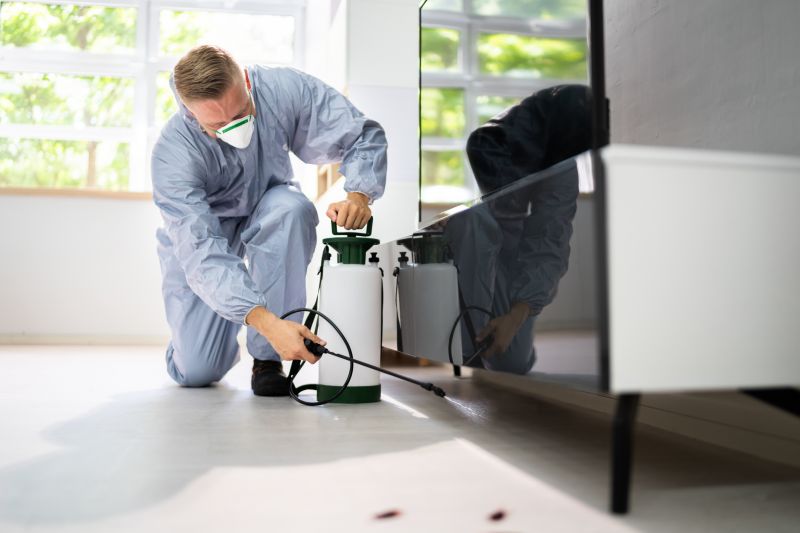
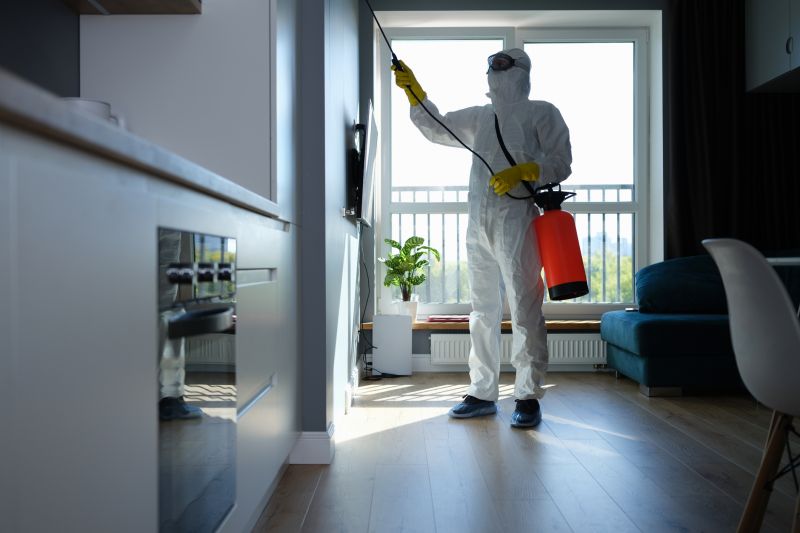
Routine pest control services are an effective way for property owners to stay ahead of potential pest problems before they become major infestations. Regular visits from local contractors help identify early signs of pest activity, such as droppings or damage, allowing for prompt treatment that can prevent pests from establishing a strong foothold. By maintaining a consistent pest management plan, property owners can reduce the likelihood of unexpected infestations that might require more extensive and costly interventions down the line.
Many property owners seek out routine pest control to keep their homes and businesses protected from common nuisances like ants, spiders, or rodents. These ongoing services not only help manage current pest populations but also serve as a proactive measure to eliminate conditions that attract pests, such as food debris or clutter. Engaging with local service providers who specialize in routine pest control can offer peace of mind by helping to keep pests at bay and avoiding the disruptions and damages that major infestations can cause.
How does routine pest control help prevent major infestations? Routine pest control services target pests early, reducing their populations before they become large, difficult-to-manage infestations.
What role do local contractors play in preventing pest infestations? Local contractors implement regular treatments and inspections that help identify and eliminate pest issues before they escalate.
Can routine pest control eliminate pests before they cause damage? Yes, consistent pest control helps keep pest populations in check, preventing them from causing structural or property damage.
Why is ongoing pest management important for infestation prevention? Ongoing pest management maintains a barrier against pests, reducing the likelihood of sudden, major infestations developing.
How do local service providers customize pest control to prevent infestations? They assess specific property needs and apply targeted treatments that address common pest entry points and attractants to prevent large-scale problems.
Regular inspections - routine pest control services include periodic inspections that can identify early signs of pest activity before infestations become severe.
Preventive treatments - applying treatments around the property helps create a barrier that discourages pests from entering and establishing nests.
Property maintenance tips - local contractors can advise on simple adjustments, like sealing cracks or removing debris, to reduce pest hiding spots.
Monitoring and follow-up - ongoing monitoring ensures that any emerging pest issues are caught early, preventing larger infestations down the line.
If you are thinking about how routine pest control helps prevent major infestations for a property, this guide is meant to help you understand this topic, the typical project types, and how different options might fit your plans.
When you are ready, you can use the quote form on this page to share a few details about your project. From there, local pros can review the basics and follow up with options that match what you have in mind.