
Seasonal Ant Activity and When to Schedule Pest Control Service
Understanding seasonal ant activity helps determine the best time to schedule pest control, and local contractors can provide effective treatments to protect your home.
Understanding seasonal ant activity and when to schedule pest control service is essential for property owners seeking to keep their spaces comfortable and pest-free. Ants tend to be most active during specific times of the year, often influenced by temperature changes and environmental conditions. Recognizing these patterns can help homeowners and business owners plan effective pest management strategies, preventing infestations before they become difficult to control. Local contractors specializing in seasonal ant pest control are well-equipped to assess the unique activity trends in the area and recommend the most appropriate timing for treatment, ensuring ongoing protection throughout the year.
Staying informed about when ants are most likely to invade can make a significant difference in maintaining a pest-free property. Proper timing of pest control services can reduce the risk of large colonies establishing themselves and causing damage or discomfort. Local service providers understand the seasonal behaviors of ants in the region and can help schedule treatments that align with peak activity periods. This proactive approach supports effective pest management, giving property owners peace of mind and a better chance of keeping ant problems under control before they escalate.
- Seasonal ant pest control - local contractors often recommend scheduling treatments before ant activity peaks in spring and summer to prevent infestations.
- Ant activity management - service providers can assess property conditions during high-activity seasons to determine the best timing for effective pest control.
- Spring ant prevention - local pros typically suggest early-season treatments to address ant colonies before they become established.
- Summer ant control - professionals may perform targeted treatments during peak ant activity months to reduce populations and protect homes.
- Fall ant mitigation - service providers often recommend inspections and treatments in late fall to address any remaining ant activity before winter.
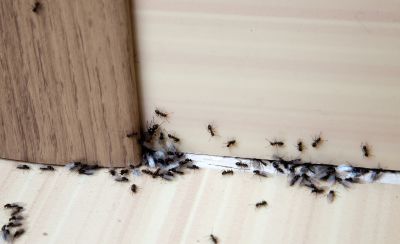
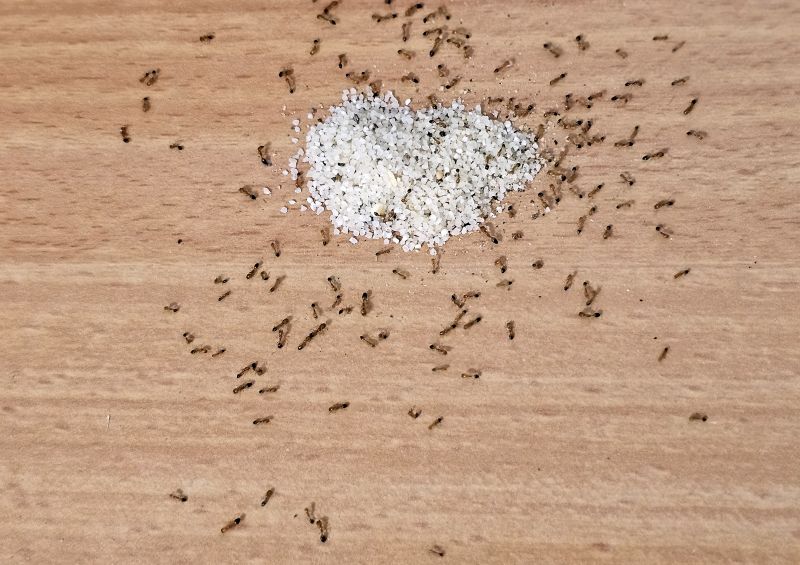
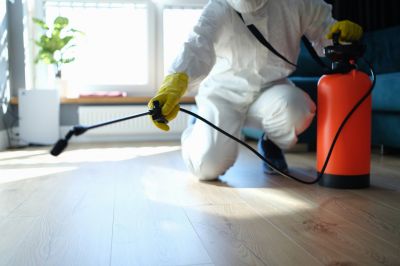
Understanding seasonal ant activity and when to schedule pest control service is a common concern for homeowners seeking to prevent or address ant infestations. Many people searching this topic want to know how different times of the year influence ant behavior, especially when ants become most active or start to invade indoor spaces. This information helps homeowners plan ahead, whether they are aiming to prevent an infestation or respond to a current problem. Recognizing the seasonal patterns of ant activity allows property owners to time pest control treatments effectively, reducing the likelihood of larger colonies establishing themselves and minimizing ongoing issues.
The relevance of this topic often relates to a variety of problems and plans around property maintenance. For instance, homeowners may notice increased ant activity during certain seasons and wonder if it’s time to schedule pest control services. Others may be preparing for seasonal changes, such as spring or fall, and want to ensure their property is protected before ants become a significant nuisance. The goal is to prevent ants from establishing colonies that can damage landscaping, contaminate food, or invade living spaces. Whether the property is a residential home, a multi-family building, or a commercial property, understanding when ants are most active helps inform the timing of treatments and strategies to keep these pests at bay.
Properties that typically come up in discussions about seasonal ant activity include single-family homes, apartment complexes, office buildings, and retail spaces. These properties often have common areas, gardens, or landscaping features that attract ants, especially during certain seasons. Homes with accessible food sources or moisture issues are particularly vulnerable to ant invasions during peak activity periods. Commercial properties, such as restaurants or grocery stores, are also concerned with seasonal ant activity because of the potential impact on sanitation and customer experience. Local service providers can evaluate each property’s specific conditions and advise on the best times to schedule pest control services to effectively manage ant populations.
Local pros who specialize in seasonal ant pest control understand the importance of timing treatments to match ant activity cycles. They can assess seasonal patterns specific to the region and property type, helping homeowners and property managers plan treatments accordingly. By scheduling pest control services before ants become most active, property owners can reduce the risk of large colonies forming and minimize damage or inconvenience. These service providers use targeted approaches based on seasonal trends, ensuring that treatments are both timely and effective. Connecting with experienced local contractors can help property owners develop a proactive plan to manage seasonal ant activity and maintain a pest-free environment year-round.
Home Inspection Projects - Home inspections often require planning and knowledge of seasonal pest patterns, making them related to scheduling pest control services during peak ant activity periods.
Garden Pest Management - Managing garden pests involves understanding seasonal insect behavior and coordinating treatments with local contractors to prevent ant infestations around the property.
Exterior Pest Barrier Installation - Installing exterior pest barriers aligns with timing strategies for ant activity, requiring planning and the use of specialized tools by local service providers.
Wildlife Exclusion Projects - Excluding pests from a property involves understanding seasonal activity patterns, similar to scheduling pest control during times of increased ant movement.
Yard Cleanup and Prevention - Yard cleanup projects help reduce ant nesting sites and often coincide with seasonal activity peaks, requiring coordination with local contractors for effective timing.
Structural Damage Repairs - Repairing damage caused by pests involves identifying seasonal entry points and planning treatments accordingly, which local pros can assist with during active ant seasons.
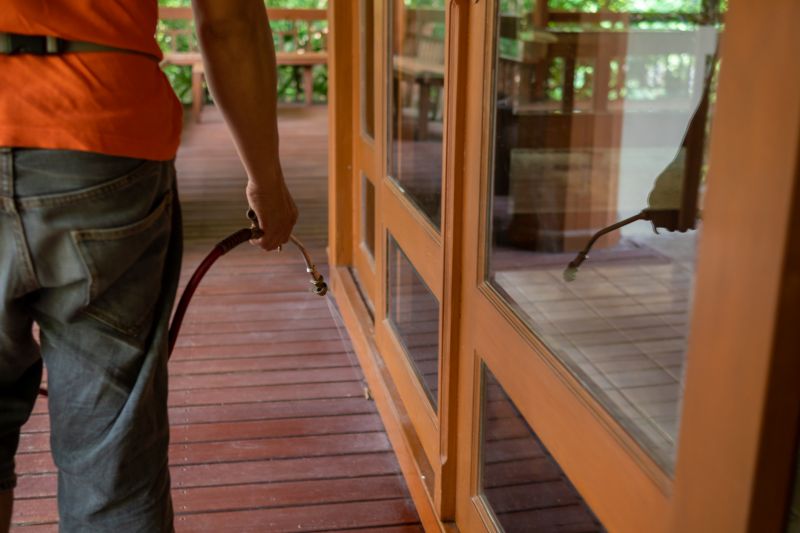
When comparing service providers for seasonal ant activity and scheduling pest control services, it is important to consider their experience with similar projects. Homeowners should look for local contractors who have a proven track record in managing ant infestations that occur during specific times of the year. An experienced provider will understand the patterns of seasonal ant activity and be better equipped to recommend the most effective treatment strategies. Asking for references or examples of past work can help gauge their familiarity with seasonal pest control challenges and their ability to handle the unique aspects of ant behavior during different seasons.
Clear communication and well-defined expectations are essential when selecting a pest control service. Homeowners should seek providers who are transparent about their methods, what the treatment process involves, and what results can be reasonably expected. A reputable service provider will be able to explain how they plan to address seasonal ant activity and when treatments should be scheduled for optimal effectiveness. Ensuring that all details are clearly outlined helps prevent misunderstandings and provides confidence that the pest control plan aligns with the homeowner’s needs and timing considerations.
Reputable references and good communication are key indicators of a dependable service provider. Homeowners are encouraged to ask for testimonials or contact previous clients to learn about their experiences with seasonal ant pest control services. Additionally, responsive and clear communication from the contractor can make the entire process smoother, from initial consultation to follow-up treatments. Choosing a provider who values transparency and maintains open lines of communication can lead to a more coordinated approach to managing seasonal ant activity and scheduling pest control services at the most appropriate times.
Property owners often search for seasonal ant activity and when to schedule pest control service when they are planning practical projects around their homes and businesses. Local pros provide Seasonal Ant Pest Control services for everyday jobs and straightforward project options.

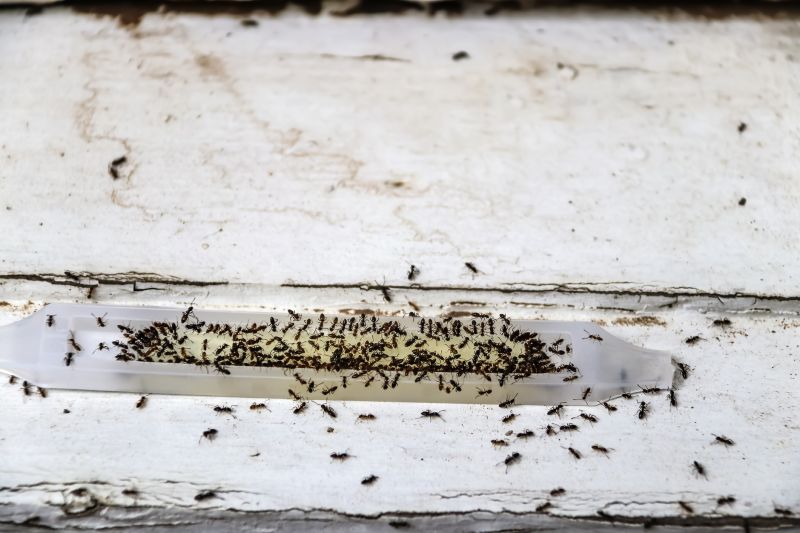
Understanding seasonal ant activity and when to schedule pest control service can help property owners prevent infestations before they become problematic. Ants tend to become more active during warmer months, especially in spring and summer, as they search for food and establish new colonies. Recognizing these patterns allows homeowners and business owners to plan ahead and seek assistance from local contractors who specialize in ant pest control, ensuring that treatments are timed effectively to reduce ant populations and protect the property.
Timing is also key when considering pest control services for ants. Many property owners look into seasonal ant pest control services in advance of peak activity periods to minimize disruptions and avoid larger infestations. Local service providers can tailor treatments based on the seasonal behavior of ants, helping to create a barrier that keeps these pests at bay. Consulting with experienced contractors can provide guidance on the best times to schedule treatments, making it easier to maintain a pest-free environment throughout the year.
When does seasonal ant activity typically increase? Seasonal ant activity usually rises during warm months when ants become more active outdoors and begin seeking food and shelter indoors.
How can scheduling pest control services help with seasonal ant activity? Scheduling pest control services at the right time can help prevent ant infestations by targeting colonies before they become established indoors.
What signs indicate it's time to consider pest control for ants? Signs like ant trails, increased outdoor activity, or ants inside the home suggest it may be beneficial to schedule pest control services with local contractors.
When is the best time to schedule pest control for seasonal ant problems? The optimal time to schedule pest control is typically just before or during peak ant activity periods to effectively manage seasonal infestations.
Are there specific seasons when ant activity is most problematic? Ant activity tends to be most problematic during late spring through early fall, making this the ideal period to consult local service providers for pest control solutions.
Monitor ant activity seasonally - property owners can observe patterns of ant movement to identify peak times of activity and plan pest control services accordingly with local contractors.
Schedule preventive treatments ahead of high activity periods - arranging pest control services before ant populations surge can help reduce infestations during busy seasons.
Identify early signs of ant nests - recognizing early indications of ant colonies enables property owners to work with local pros to target nests before they expand.
Plan for seasonal pest control maintenance - coordinating regular visits during key times of year ensures ongoing protection against seasonal ant activity.
If you are thinking about seasonal ant activity and when to schedule pest control service for a property, this guide is meant to help you understand this topic, the typical project types, and how different options might fit your plans.
When you are ready, you can use the quote form on this page to share a few details about your project. From there, local pros can review the basics and follow up with options that match what you have in mind.