
Expert Picks of Essential Products for Pest Control Services
A curated selection of must-have products designed to enhance pest control operations and ensure high-quality service.
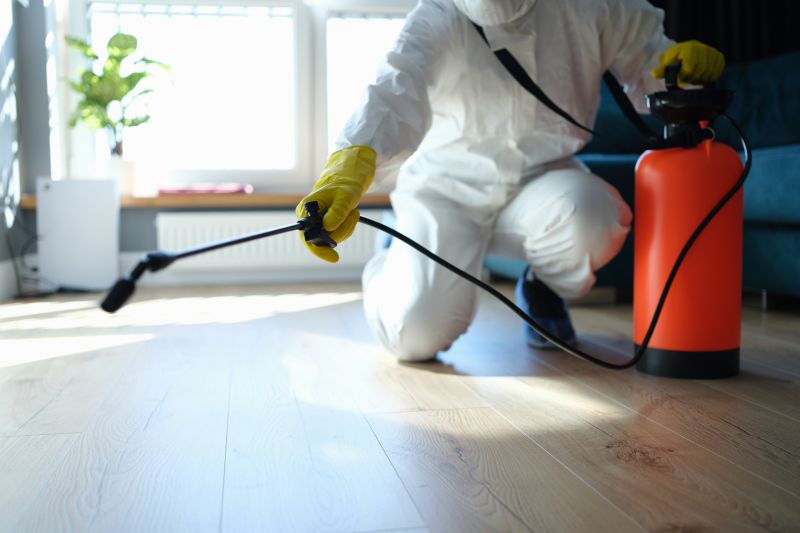 In Acworth, Georgia, maintaining a pest-free environment requires a comprehensive approach utilizing a variety of products tailored to different pest issues. Pest control products can range from active ingredient formulations to application tools, each designed to target specific pests or pest behaviors. When selecting pest control solutions, it is important to consider the specific pest species, the severity of the infestation, and the environment in which the products will be used. Proper application and adherence to safety guidelines are essential to ensure effectiveness and safety for household members and pets.
Top Overall Option
Multi-Purpose Pest Control Spray
A versatile pest control spray designed for use on multiple surfaces and against various pests. It provides residual action and is suitable for indoor and outdoor applications, making it a practical choice for comprehensive pest management. When selecting a multi-purpose spray, consider its compatibility with different pest types and surfaces, as well as its safety profile for household use.
Types of Products For Pest Control Service
Residual Pest Sprays
Applied to surfaces to provide long-lasting protection against crawling pests such as ants, roaches, and spiders.
Bait Stations
Contain attractants and active ingredients to lure pests like ants, cockroaches, and rodents for targeted control.
Glue Traps
Adhesive traps used to monitor or capture pests such as rodents and insects without chemicals.
Insecticidal Dusts
Powder formulations applied in cracks, crevices, or wall voids to target pests like termites and ants.
Rodent Baits
Toxic baits designed to attract and eliminate rodents while minimizing exposure to non-target species.
Repellents
Products formulated to deter pests from entering specific areas, often used around entry points.
Foggers and Aerosols
Quick-acting products suitable for treating infestations in confined spaces.
Outdoor Barrier Treatments
Applied around the perimeter of properties to prevent pest entry and activity.
Mosquito and Fly Traps
Devices designed to attract and trap flying insects, reducing nuisance and potential disease transmission.
Natural and Botanical Products
Alternative options using botanical oils and natural ingredients for pest deterrence.
Pet-Safe Pest Products
Formulations designed to minimize risks to pets while controlling common household pests.
Electric Pest Repellers
Electronic devices emitting ultrasonic or electromagnetic waves to deter pests.
Popular Choices
Widely used for treating indoor surfaces where pests frequent, offering ongoing protection.
Commonly used for controlling ant colonies by attracting workers to bait stations.
Applied in cracks and crevices to target cockroach hiding spots effectively.
Traditional traps for capturing rodents quickly and efficiently.
Devices that emit high-frequency sounds to discourage pests from entering areas.
Used around the exterior of buildings to reduce pest activity and entry points.
Effective for reducing flying insect populations in kitchens and outdoor spaces.
Devices designed to reduce mosquito presence in outdoor living areas.
Integrated stations combining attractants and killing mechanisms for pests like ants and roaches.
Popular for treating wall voids and cracks where pests hide.
Used to monitor pest activity and assess infestation levels.
Selected for use in households with pets, providing pest control with safety considerations.
Effective pest management often involves a combination of products, including residual sprays, baits, traps, and repellents. Residual sprays are applied to surfaces where pests are likely to crawl or hide, providing ongoing protection. Baits and traps are useful for managing pests such as ants, cockroaches, and rodents, offering targeted control with minimal chemical exposure. Repellents can help deter pests from entering certain areas, especially around entry points like doors and windows. It is advisable to select products that are suitable for indoor or outdoor use, depending on the specific needs of your property.
Regular maintenance and inspection are key components of a successful pest control strategy. Using a variety of products suited to the pests present can help prevent future infestations. Always read product labels carefully, follow application instructions precisely, and consider consulting a professional pest control service for severe or persistent issues. Properly chosen and applied products can contribute significantly to maintaining a safe, pest-free environment in your home or business in Acworth, GA.
Key Buying Considerations
- Identify the specific pests to ensure the product is appropriate for targeting them.
- Consider whether the product is suitable for indoor, outdoor, or both environments.
- Check the active ingredients and their safety profiles, especially if pets or children are present.
- Evaluate the longevity and residual effect of the product to determine how often it needs reapplication.
- Determine if the product is easy to apply and comes with clear instructions.
- Assess the form of the product—spray, bait, trap, dust, or aerosol—and select based on preference and situation.
- Review the coverage area to ensure the product will adequately treat the intended space.
- Look for products with minimal odor or fumes if used indoors.
- Verify compatibility with other pest control methods or products being used simultaneously.
- Consider the ease of disposal or cleanup after application.
- Research any necessary safety precautions or protective gear required during application.
- Check for any restrictions or warnings related to food preparation areas or sensitive environments.
- Consider whether the product is designed for targeted pests or broad-spectrum use.
- Review customer feedback for insights on product performance and ease of use.
- Determine if the product has any certifications or approvals from relevant authorities.